
Sign in to your Account at Dow
Sign in with your account details to get access to our exclusive content.
Why Register?

Product Information
Access datasheets, exclusive content and applications

Samples
Request Samples to support formulation work
Stay Updated
Receive the latest news about products, news and more!
Paper-based Consumer Products Packaging
Barrier Coatings for consumer goods products
Our family of RHOBARR™ Barrier Coatings has been designed to resist a variety of materials often present in consumer products.
RHOBARR™ Barrier Coatings have excellent heat sealability and offer glue and print application. Their thin-layer functionality and compatibility with other materials allow a range of performance to be achieved through multilayer packaging constructions. RHOBARR™ Barrier Coatings also support enhanced repulpability, helping make paper packaging with barrier coatings part of the circular economy.
Non-food packaging paper applications
RHOBARR™ Barrier Coatings are engineered to resist permeants such as surfactants, fatty acids, oils or solvents with thin, single-layer coatings that hold up through filling, storage, and transport.
Converters add protection without new capital cost or process waste since they apply on existing equipment using conventional aqueous methods. And select grades are designed for repulpability, and recyclability, so non-food packaging can meet circular-economy goals without sacrificing performance.
-
DRYER SHEET BOXES
-
BAR SOAP PACKAGING
-
BARRIER CONSTRUCTION


RHOBARR™ Barrier Coatings offerings for glueable and printable applications
Dryer sheets leave behind fatty acid residues that can degrade ordinary paperboard. RHOBARR™ Barrier Coatings act as an effective barrier against these materials, and glueable, printable grades let brands keep packaging easy to construct and easy to brand.

RHOBARR™ Barrier Coatings for paper-based soap packaging
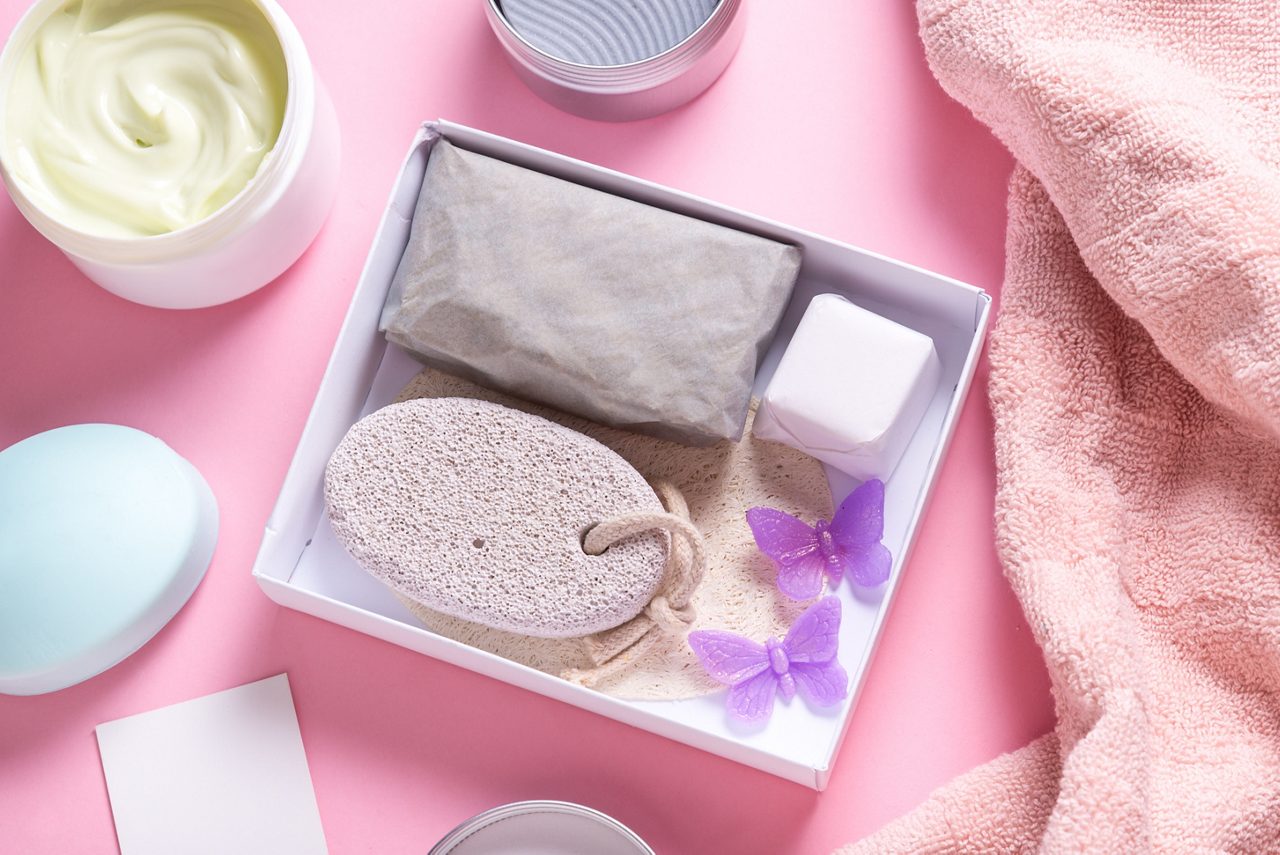
Cleaning products have to stay protected while looking shelf ready. RHOBARR™ Barrier Coatings resist the surfactants in soaps and cleansers, using a single coating that delivers both barrier and heat-seal performance, so packaging keeps its appearance and integrity.

RHOBARR™ Barrier Coatings for construction
Most consumer packaging relies on a fixed set of construction options. The versatility of RHOBARR™ Barrier Coatings lets them work in single-layer applications and unlock more possibilities in multi-layer constructions, giving designers room to engineer the exact barrier they need.

RHOBARR™ Barrier Coatings for non-food packaging

RHOBARR™ 110 Emulsion
High-gloss hydrophobic binder with oil and grease resistance and flexibility; ideal for binder-rich, foldable constructions.
RHOBARR™ 135 Emulsion
Acrylic copolymer latex offering oil and grease barrier with block resistance and flexibility for paper and board.
RHOBARR™ 214 Emulsion
Mineral oil barrier with plasticizer resistance for paper, board, and thermal paper; strong fit for dryer sheets and printed cartons.
RHOBARR™ 214ER Emulsion
Enhanced-recyclability emulsion for coated paper and consumer goods packaging.
RHOBARR™ 320 Barrier Dispersion
An acid-modified polyolefin dispersion that delivers a hot and cold-water barrier with oil, grease and heat-seal performance for cup stock. A thin, water-based coating that cuts raw material use by 50 to 70% and reaches over 99% fiber recovery.
Non-food packaging resources
Learn how our RHOBARR™ Barrier Dispersions help protect paper packaging against liquid penetration and enhance circularity.

How does RHOBARR™ 320 Barrier Dispersion promote recyclability?
Watch this video to see sustainability solutions in coatings for paper-based consumer packaging.
Other paper-based applications
Explore Dow's paper coatings for complementary uses. RHOBARR™ Barrier Coatings also support food-contact-compliant packaging and the demands of foodservice and beverage containers.

Paper-based Food Packaging
Dow's RHOBARR™ Barrier Coatings are an excellent fit for innovative packaging options designed for food contact compliance.

Paper-based Foodservice Packaging
Dow’s innovative RHOBARR™ Barrier Coatings help address the increasing demands of foodservice and beverage containers.
Consumer product packaging coatings FAQs
Common options include water-based dispersion and emulsion coatings (acrylic, styrene-acrylic, polyolefin), extrusion coatings like polyethylene, and wax. RHOBARR™ Technology falls in the water-based category, built to resist fatty acids, surfactants, mineral oils, and moisture.
Match the coating to the permeant: fatty acids, surfactants, mineral oils, or solvents. Confirm it's printable, glueable, and heat-sealable for your construction. Prioritize recyclable, repulpable grades that run on existing equipment.
We are committed to connecting you with specialists and resources to tackle any challenge.