
Sign in to your Account at Dow
Sign in with your account details to get access to our exclusive content.
Why Register?

Product Information
Access datasheets, exclusive content and applications

Samples
Request Samples to support formulation work
Stay Updated
Receive the latest news about products, news and more!

Accelerating a Sustainable Future in Construction Chemicals
Helping you lead with more sustainable and durable construction materials.
Make your construction materials future-proof
Construction manufacturers and contractors are caught between rising expectations and real-world constraints. Materials need to meet high performance standards while complying with evolving regulations.
At Dow, we’re constantly innovating our construction chemicals to help our customers respond to these challenges and stay ahead of industry sustainability regulations.
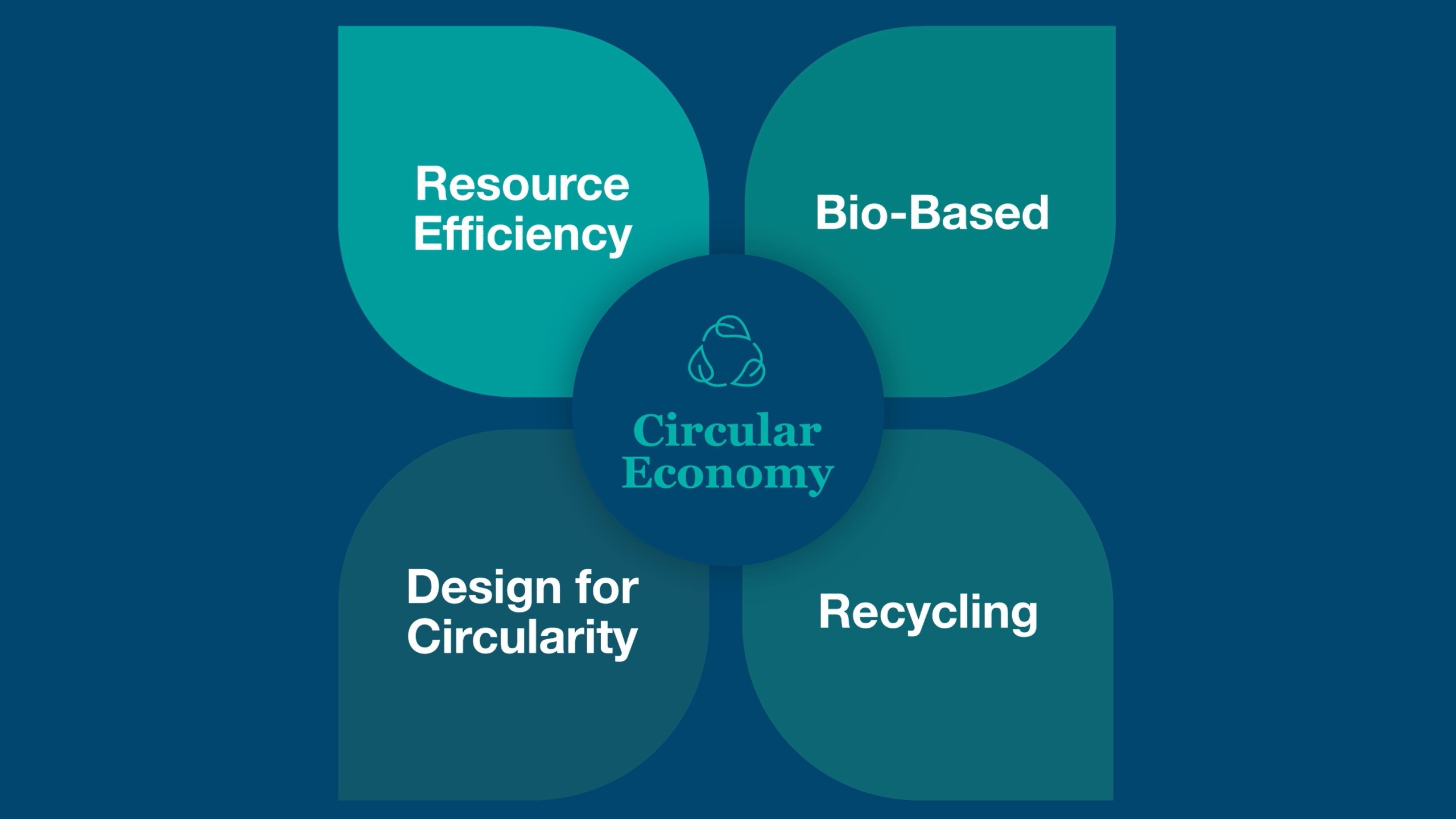
Our portfolio of bio-based, resource efficient and lower-carbon solutions fit into existing manufacturing processes and will enable you to deliver high-performance materials that are built for the future of construction.
Looking to reduce the carbon footprint of your products?
Our solutions are designed to help you lower Scope 3 emissions and formulate high-performance, low-CO₂ materials.
Whether driven by customer expectations, ESG commitments, or evolving regulations, we support you in bringing lower-carbon products to market faster, without compromising on performance.

Reduce carbon without requalification or performance compromise
Lower the embodied carbon of your cement-based applications with our low-carbon WALOCEL™ Cellulose Ethers. They deliver the same performance of our standard range, with a verified 18% reduction in fossil carbon footprint.

Develop low carbon cement without the hydration challenges
The WALOCEL™ X-LIS Cellulose Ethers portfolio is designed to reduce the impact on cement hydration and deliver advanced performance features in low-CO₂ cements with reduced clinker content.
Develop products using materials derived from nature
Stay ahead of growing industry demand for high-quality, bio-based products with enhanced sustainability and safety throughout their lifecycle. We support your formulations with a range of acrylic emulsions incorporating renewable feedstocks, as well as cellulose ethers manufactured from wood pulp sourced exclusively from PEFC or FSC certified, deforestation-free suppliers.

Cellulose Ethers
Discover our range of inherently bio-based cellulose ethers, containing approximately 78% bio-based carbon content. Manufactured from deforestation-free certified wood or cotton linters, they provide trusted performance across a wide range of construction applications, helping advance resource-efficient and more sustainable building solutions.

Acrylic Emulsions
Formulate with bio-based acrylic binders containing 21-37% renewable raw materials. Available for caulk, sealant, and fiber-bonding applications, these PRIMAL™ and RHOPLEX™ grades deliver performance comparable to conventional binders, supporting sustainable construction and building decarbonization goals.

Bio-based acrylics
Renewable raw materials. Lower product carbon footprint. Same performance.

Want to develop more resource efficient construction materials?
Maximize the performance and durability of your products while improving the energy efficiency of buildings. Dow’s range of solutions for dry-mix applications, binders, and silicones helps reduce material usage in your manufacturing processes - while enhancing the performance of the final product.

Low-Clinker Cement
Looking to reduce clinker content in your cementitious adhesive formulations? Discover how our WALOCEL™ X-LIS Cellulose Ethers range can help you develop lower CO₂ emission cements while offering temperature stability, water retention, good workability and adhesion strength.

Cool Reflective Roof Coatings
Looking for an elastomeric cool roof coating designed to reduce building cooling energy needs and prolong roof system life? Our portfolio of RHOPLEX™ Binders and PRIMAL™ Binders help reduce cooling energy needs by up to 20% and deliver long-lasting reflectivity for a durable roofing system.

Drymix Mortars
Want to reduce raw material resource consumption in mortar applications? Dry-mix additives enable up to 75% less sand and cement in thin-set mortar applications, reduce water consumption, and use up to 70% less raw materials by weight. Discover our WALOCEL™ Cellulose Ethers and DOW™ Latex Powders.

Tile Adhesives
Would you like to use less cement in your formulations without sacrificing end-product quality? Our innovative WALOCEL™ Cellulose Ethers and DOW™ Latex Powders additives help to maintain end-product performance in your formulations when less cement is used.

Fiber Cement
Looking to enhance the lifetime of your fiber cement without compromising on aesthetics? Discover our high-performance DOWSIL™ Silicone and PRIMAL™ Acrylic emulsions developed to extend the weatherability, aesthetic performance and service life of your fiber cement products.
Improving the energy efficiency of buildings
Cool reflective roof coating reflect solar radiation, helping to lower ambient temperatures and reduce cooling energy costs.
This technology is particularly suited for renovation projects and non-insulated buildings such as warehouses and factories.
Discover how our innovative binders enable the development of durable elastomeric roof coatings that help lower CO₂ emissions while improving comfort and living standards.

Sustainability as a Catalyst for Growth
Request access to Explore on-demand replays from Dow Construction Chemicals’ June 18th virtual event where global experts discuss how sustainability is driving real market opportunities in the construction industry.
FAQs
To reduce the embodied carbon of construction products, start by switching to low-carbon raw materials with verified footprint reductions.
Dow's low-carbon WALOCEL™ Cellulose Ethers deliver an independently verified 18% reduction in fossil carbon footprint compared to standard options, while maintaining the same performance in cement-based applications.
For lower-clinker or low-CO₂ cement systems, WALOCEL™ X-LIS Cellulose Ethers are engineered to address performance challenges associated with reduced clinker content in cementitious adhesive formulations.
Yes. Dow offers bio-based acrylic emulsions incorporating renewable feedstocks within selected PRIMAL™ and RHOPLEX™ product range.
Available for specific caulk, sealant, and fiber-bonding applications, these emulsions are designed to deliver equivalent performance to conventional acrylic binders -providing a more sustainable material choice without compromising end-product quality.
Dow’s cellulose ethers are also manufactured from wood pulp sourced exclusively from PEFC- or FSC-certified, deforestation-free suppliers.
Meeting green building certification standards requires reducing embodied carbon, ensuring responsible sourcing, and minimizing environmental impact.
Dow Construction Chemicals supports these goals through:
Low-carbon cellulose ethers with verified emissions reduction
Bio-based acrylic emulsions partially derived from renewable feedstocks
Cellulose ethers with certified sourcing (PEFC/FSC) for traceability and sustainability compliance
These solutions help improve your product’s environmental profile and certification readiness.
Reducing cement content while maintaining performance is possible with advanced formulation additives.
In thin-set mortar applications, Dow’s WALOCEL™ Cellulose Ethers and DOW™ Latex Powders enable up to 75% reduction in sand and cement, lower water consumption, and use up to 70% less raw materials by weight.
These product ranges are also suitable for tile adhesive formulations, helping manufacturers maintain strength, adhesion, and workability - even in low-cement systems.
Sustainable cellulose ether solutions depend on your formulation goals:
Lower carbon footprint: Low carbon WALOCEL™ Cellulose Ethers range delivers a verified 18% fossil carbon footprint reduction for cement-based applications.
Low-clinker cement optimization: WALOCEL™ X-LIS Cellulose Ethers range delivers temperature stability, water retention, good workability and adhesion strength in premium cementitious adhesive formulations.
Both options support high-performance, low-CO₂ construction materials.
Cool roof coatings significantly improve building energy efficiency by reflecting solar radiation.
Dow’s PRIMAL™ and RHOPLEX™ binders enable coatings that:
Reduce cooling energy demand by up to 20%
Lower surface and ambient temperatures
Extend roof lifespan through durable reflectivity
These solutions are particularly well suited for renovation projects and non-insulated buildings such as warehouses and industrial facilities where cooling loads are significant.
To verify sustainability claims, choose suppliers that provide independently verified data and certifications.
Dow Construction Chemicals provides solutions that ensures traceability, compliance, and reliable input for sustainability reporting:
Low carbon WALOCEL™ Cellulose Ethers carry a verified 18% fossil carbon footprint reduction
Cellulose ethers sourced from PEFC or FSC certified suppliers.
Bio-based content in PRIMAL™ and RHOPLEX™ acrylic emulsions, incorporating renewable feedstocks.
Selected PRIMAL™ and RHOPLEX™ Acrylic Emulsions grades for caulk, sealant, and fiber-bonding applications contain between 21% and 37% bio-based carbon content, depending on the grade. The renewable carbon is sourced from plant-based raw materials, helping reduce reliance on fossil-based raw materials while delivering performance comparable to conventional acrylic binders. These solutions can help support sustainable construction and carbon reduction initiatives without compromising performance.
Dow determines bio-based carbon content using ASTM D6866-22 Method B (AMS) TOC testing. The analysis is conducted by independent laboratories specializing in carbon-14 (C-14) testing, providing a transparent and reliable measurement of renewable carbon content. This verification process helps customers confidently evaluate the contribution of bio-based materials within their sustainability and procurement strategies.
Dow's bio-based acrylic emulsion grades are designed as drop-in solutions that integrate into existing formulations, replacing a portion of traditional fossil-based acrylics, without the need for process or formulation adjustments. This enables manufacturers to adopt more sustainable construction solutions while maintaining existing manufacturing processes and product performance.
Physical segregation means that the bio-based raw materials are kept physically separated from conventional feedstocks throughout the supply chain until production. This approach helps ensure that bio-based content remains traceable, verifiable, and reliable, while maintaining consistent product quality and performance. It also provides greater transparency for customers seeking to incorporate renewable raw materials into products that support sustainability and resource-efficiency goals.

Discover our efforts to accelerate sustainability

Construction chemicals drives social impact in Kenya and Alaska through collaborative projects.

Delivering Sustainable Science Solutions

Dow’s Sustainability Focus Areas
Our sustainability commitments
We are creating high-performing, durable and novel solutions that help our customers do more with less.
We are advancing technologies to manufacture our products with lower GHG emissions, helping decarbonize value chains all the way down to the consumer.