
Sign in to your Account at Dow
Sign in with your account details to get access to our exclusive content.
Why Register?

Product Information
Access datasheets, exclusive content and applications

Samples
Request Samples to support formulation work
Stay Updated
Receive the latest news about products, news and more!
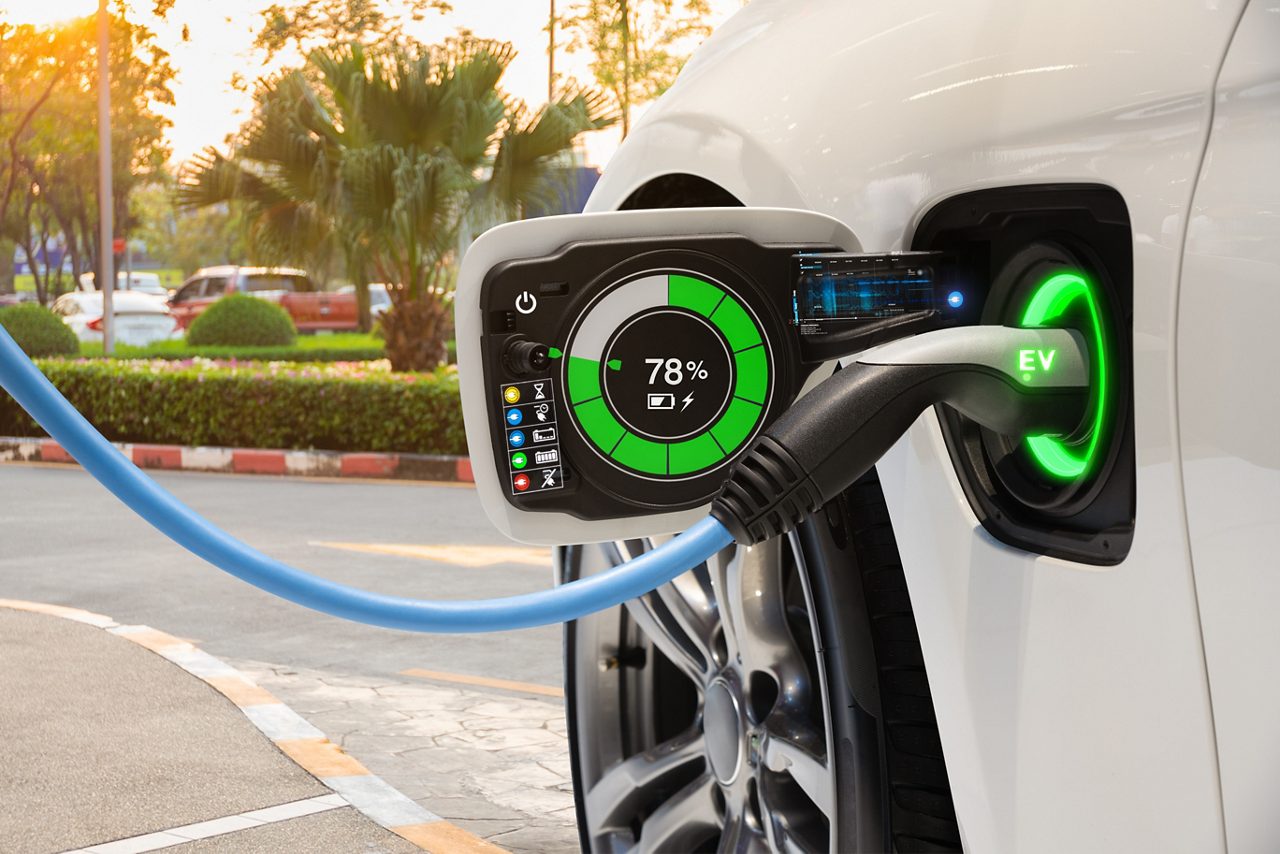
Advanced Materials for EV Battery Systems and Cell Components
Transforming battery systems to help create a better EV
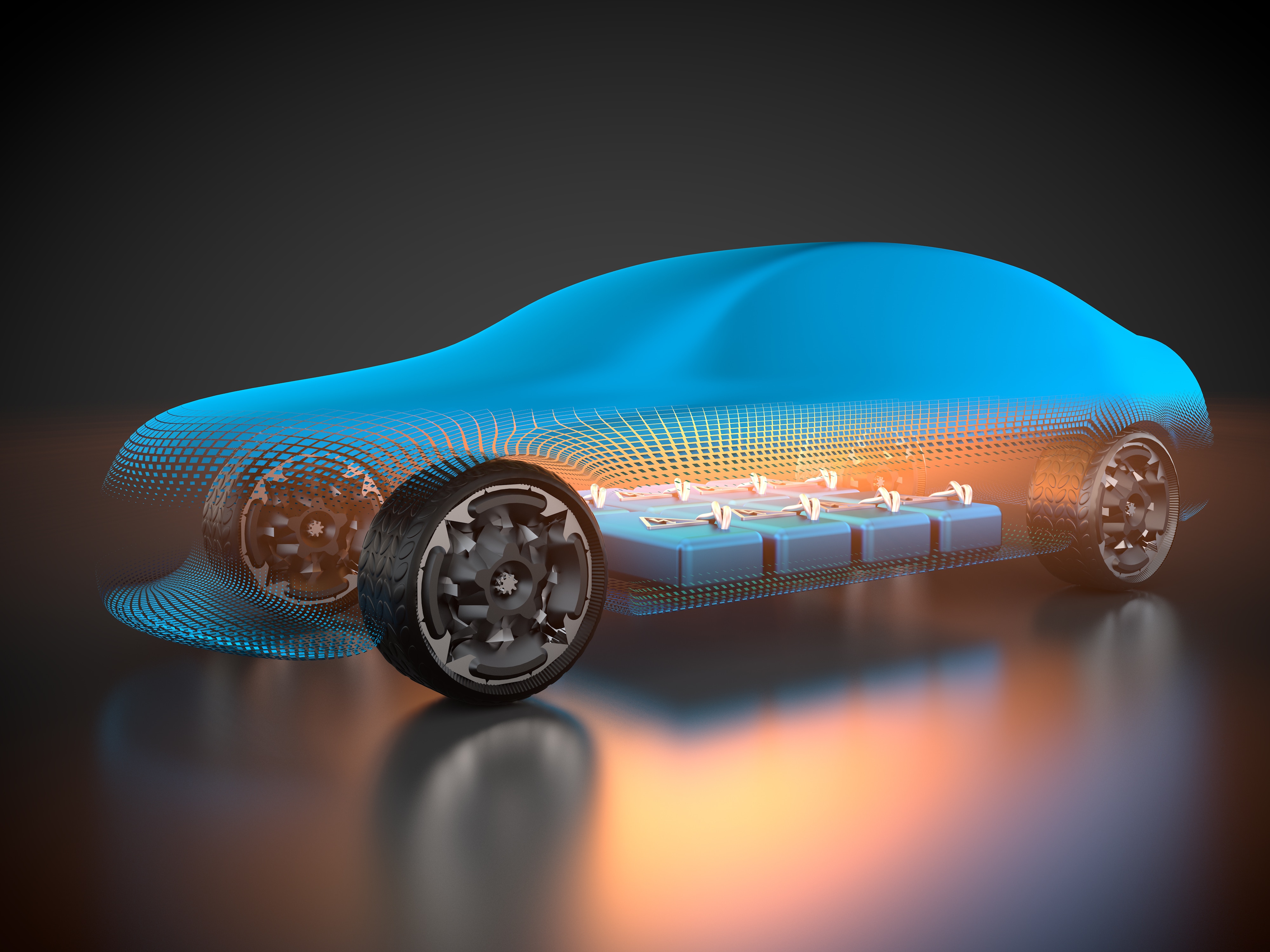
Battery system solutions for EV battery pack design
Dow's battery system solutions include adhesives, gap fillers, potting foams, encapsulants, and thermal materials that help OEMs build lighter, safer, longer-lasting EV batteries. These materials support battery pack assembly, battery fire protection (BFP), electronic control unit (ECU) protection, and busbar/hose insulation, resisting overheating while integrating with automated manufacturing.
Explore Dow's full portfolio of battery system solutions below, organized by battery pack assembly, fire protection, ECU protection, and busbar/hose insulation needs
-
BATTERY ASSEMBLY
-
BATTERY CELL
-
BATTERY FIRE PROTECTION
-
ELECTRONIC CONTROL UNIT
-
BUSBAR & HOSES

Looking for battery pack design flexibility?
Our VORATRON™ and DOWSIL™ thermal interface solutions offer the flexibility you need for EV and hybrid battery pack design, and SILASTIC™ Liquid Silicone Rubber (LSR) was designed for integrated seals and electrical connectors and housings. From silicones to polyurethanes, these technologies extend battery life, improve safety, and lower energy consumption. Let's work together to redefine battery safety and performance.

VORATRON™ MA 8300 Adhesives Series
Winner of the 2026 BIG Innovation Award, this thermally conductive polyurethane adhesives series offers exceptional bonding strength, delivers high thermal conductivity at low density and are designed to be durable, process-efficient and equipment-friendly.

VORATRON™ GF 1000 Gap Filler Series
Optimize battery pack assembly with our two-part thermally conductive polyurethane gap fillers. Their very low squeeze force enables easy and safe handling, while their low density contributes to overall lightweighting.

VORATRON™ Potting Foam Series
Protect cells and batteries from thermal events with our polyurethane potting foams. These lightweight low-density solutions provide excellent thermal and mechanical isolation, fire resistance, high strength, and structural support.

DOWSIL™ 3-8259 RF Silicone Foam Kit
A two-part, room temperature silicone foam system designed to be dispensed and cured directly on parts to form an integrated compression gasket.

DOWSIL™ EA-3838 Fast Adhesive
RTV adhesive with full fixture time within 20 minutes, eliminates the need for ovens and primers in the assembly line, reduces cycle times from days to hours — or minutes, and bonds to a wide range of materials for fast in-line manufacturing.
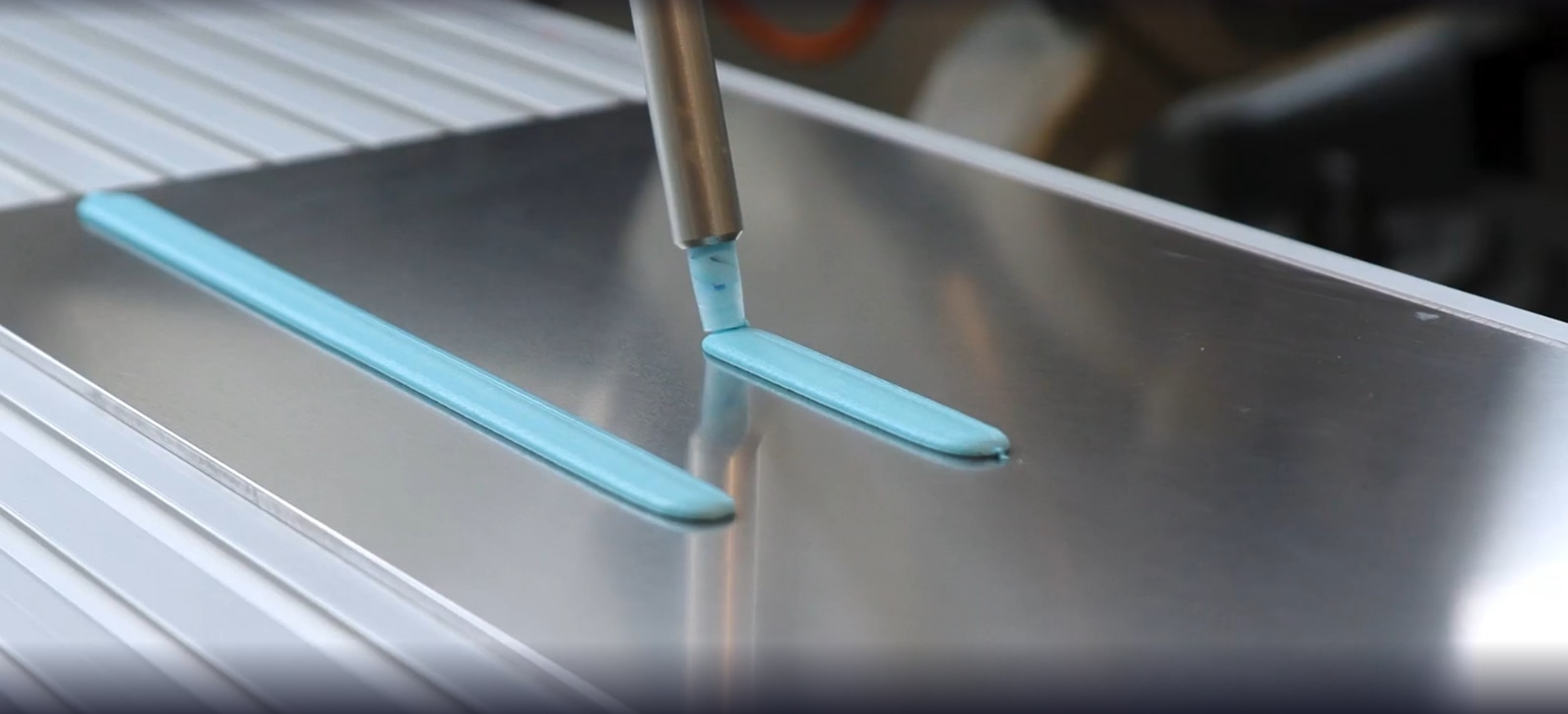
DOWSIL™ TC-5533 Gap Filler
Two-part, 3.0 W/mK thermally conductive gap filler formulated to dissipate heat in electronics applications such as battery pack assembly. A low-density product, intended for high-volume applications.
VORATRON™ MA 8300 Adhesive Series wins 2026 BIG Innovation Award
VORATRON™ MA 8300 Adhesive Series was awarded the 2026 BIG Innovation Award. This series of 2K 1.2W thermally conductive polyurethane adhesives offers excellent bonding strength comparable to structural adhesives towards diverse substrates, delivers high thermal conductivity at low density, and are designed to be durable, process-efficient and equipment-friendly. These high-performing adhesives can be applied for diverse cell and battery designs, including cell-to-module, cell-to-pack bonding, and cell-to-chassis solutions.


Battery cell materials for advanced battery technologies
Battery cells are the foundation of modern electrification, powering electric vehicles, consumer electronics, industrial equipment, and energy storage applications. As the core of lithium-ion batteries and emerging battery technologies, the cells play a critical role in determining performance, safety, durability and reliability within the cell itself.
The VOLTRICELL™ battery materials portfolio brings together innovative solutions from across Dow's portfolio to support battery cell manufacturers. From electrode processing and separator technologies to adhesives, binders, and formulation additives, our materials help enable efficient manufacturing, improved performance, and enhanced safety across current and next-generation battery technologies.
Explore battery cell material solutions with VOLTRICELL™ below and contact us to speak with an expert.

Why choose Dow silicones for battery fire protection?
Passenger safety in electric vehicles is a top concern. Increasing safety standards are driving the need for advanced materials that mitigate battery thermal events like fire, explosion, or smoke.
Silicones offer key advantages for thermal runaway mitigation, including fire-resistant properties and ceramification capabilities, which create a thermally and electrically protective ceramic barrier when exposed to extreme heat. Silicones also offer thermal stability to support performance over a wide temperature range.

Design options for battery fire protection solutions
Dow silicones are available in different formats, delivering design flexibility across battery cell types and battery pack configurations. Our portfolio of battery fire protection solutions include:
- LSR coatings and encapsulants with rapid room temperature cure and ceramification in case of thermal events/high temperature arising for thermal, flame and particle blast protection.
- Silicone foam cures quickly, achieves low densities, and offers vibration reduction, electrical isolation and thermal/flame protection via ceramification.
- High-consistency rubbers (HCRs) offer rapid cure, superior electrical insulation and thermal/flame protection through ceramification.
Explore top silicone solutions for battery fire protection

DOWSIL™ EF-6559 Silicone Foam
Dispensable 2-part potting foam that resists fire and thermal propagation by forming a protective ceramic layer. It has dielectric properties and can be applied by automated dispensing.

DOWSIL™ FC-2024 Coating
1-Part RTV cure coating that ceramifies during battery thermal event, providing fire and particle blast resistance, adhesion, and dielectric protection. Easy to dispense with pre/post-cure repairability.

DOWSIL™ EA-3838 Fast Adhesive
Fast room temperature silicone cure adhesive designed for automotive electronics assembly, with excellent weathering and temperature stability.
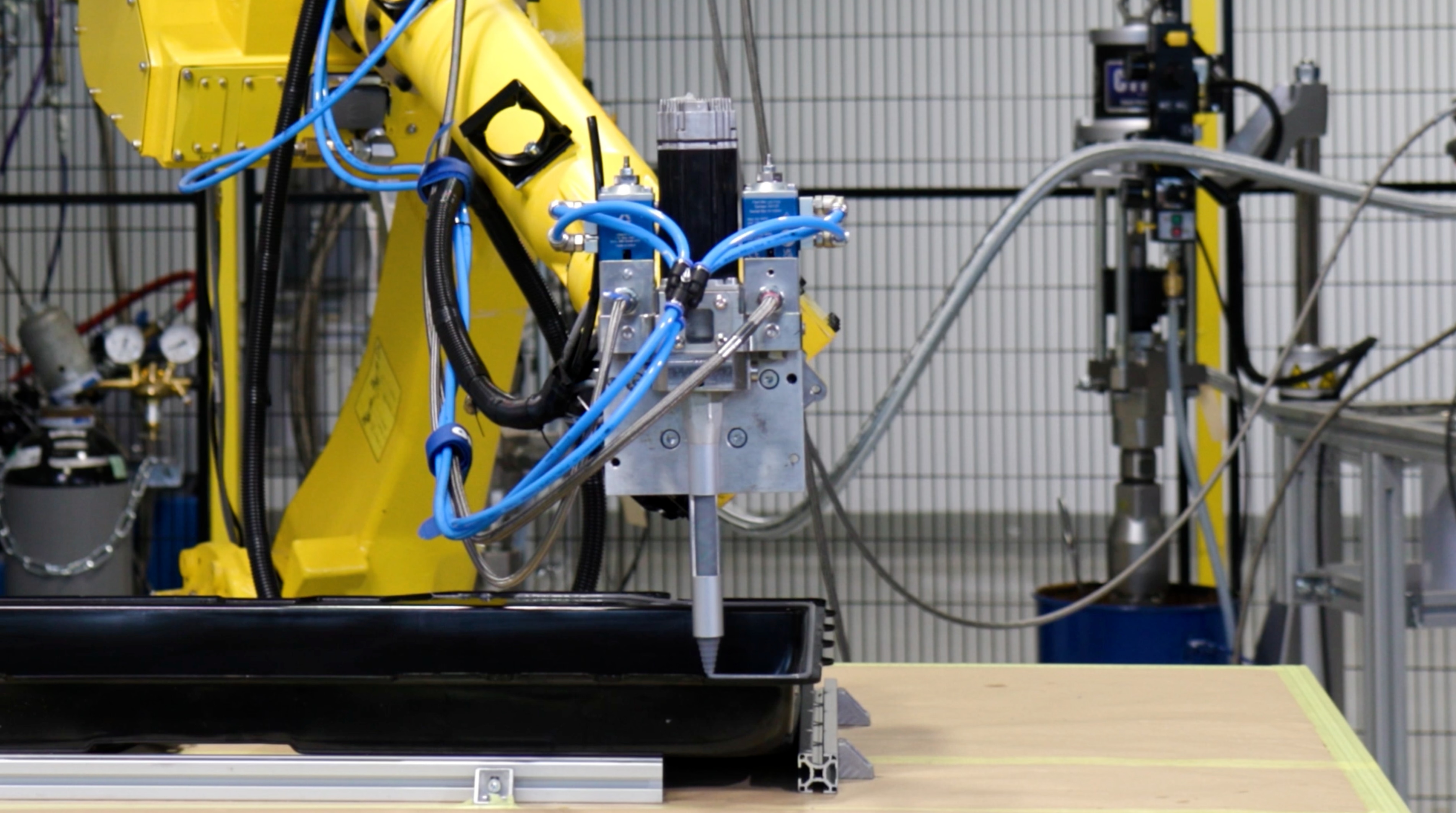
DOWSIL™ 3-8259 RF Silicone Foam Kit
A two-part, room temperature silicone foam system designed to be dispensed and cured directly on parts to form an integrated compression gasket.

DOWSIL™ EF-6555 Silicone Foam
Low density silicone foam designed for production into sheet foams for battery fire protection and battery insulation.

Looking for silicone solutions in electronic control unit assembly?
For enhanced reliability in electronic control unit (ECU) assembly and battery management systems, DOWSIL™ has been developed to protect modules from potential risks such as electrical failures and overheating.
Design options for electronic control assembly solutions
Dow’s portfolio includes protective solutions designed for electronic control assembly applications including:
- Coatings, gels, and encapsulants – These materials provide a robust barrier against moisture and contaminants, ensuring long-term performance in harsh environments.
- Electronic adhesives – Formulated for strong, durable bonds, these adhesives also offer excellent thermal management properties for densely packed control systems.
- Thermally conductive – Designed to maintain consistent thermal pathways, conductives help improve heat dissipation, supporting greater device reliability.
Featured DOWSIL™ silicones for EV batteries and control unit modules

DOWSIL™ 844 RTV Adhesive Sealant
One-part, fast cure, RTV adhesive useful in automated or manual dispensing systems for sealing of modules and multi-component assemblies; or for formed in place gasketing.

DOWSIL™ TC-4060 Thermal Gel
Rapid dispense thermally conductive gap filler formulated to dissipate heat in high throughput applications, like telecom power supplies, high frequency devices (5G), and electronic control units (ECU).

DOWSIL™ TC-6040 Thermal Conductive Encapsulant
This thermally conductive encapsulant is a heat cure product with good flowability. Formulated to encapsulate and dissipate heat on-board chargers, DC/DC converters for electric vehicles (EV), and other power electronics.
Thermal management and insulation materials for coolant hoses and busbars
Dow delivers reliable battery system performance with EPDM coolant hoses for thermal management and SILASTIC™ silicone rubber for high-voltage insulation. Our solutions help extend battery life, improve safety, and ensure efficiency in EVs, hybrids, and energy storage systems.

NORDEL™ EPDM: Materials for coolant hoses
Effective thermal management is critical to battery safety, longevity, and efficiency. Our premium EPDM coolant hoses deliver the reliability your battery cooling systems demand. Engineered for exceptional resistance to automotive fluids and extreme temperatures, our hoses perform flawlessly in demanding battery system conditions. From hybrid vehicles to industrial energy storage, trust our proven solutions to keep your batteries operating at optimal temperatures.

SILASTIC™: High Temperature Busbar and Hose Insulation Materials
SILASTIC™ High Consistency Silicone Rubber (HCR) delivers superior thermal and electrical insulation for high-voltage busbars and hoses in battery systems. Solutions are customized to meet specific application needs, with options available that comply with UL94 V0 flame resistance standards and ceramifiable formulations for comprehensive busbar protection before, during, and after thermal events.

Battery system product guides
Need help determining which products work best for your battery system? Explore these resources to learn more about Dow technologies and the features and benefits of our battery material solutions.

Material solutions for battery pack assembly
With a range of adhesives, gap fillers, potting systems and encapsulants, Dow can help battery manufacturers achieve the right level of protection required for diverse battery configurations.

Silicone material solutions for battery fire protection
Silicones are available in different formats and offer a unique set of properties that make them ideal for BFP applications. Explore how Dow silicones help make EV batteries safer and more reliable.
Frequently Asked Questions
Electric vehicle (EV) batteries use a combination of materials to improve performance, safety and durability. Along with lithium-ion battery cells, battery systems rely on thermal interface materials, silicone sealants, adhesives, encapsulants, foams and fire protection materials to support thermal management, electrical insulation, structural bonding and long-term reliability. Dow provides material solutions designed to help manufacturers improve battery safety, manufacturability and performance.
Battery fire protection refers to materials and technologies that help slow the spread of heat and flames during a thermal event, giving occupants more time to exit and helping protect surrounding battery components. Solutions such as thermal barriers, fire-resistant silicones, gap fillers and insulation materials help reduce thermal propagation while supporting battery safety and regulatory requirements. Dow offers materials engineered to help improve EV battery fire protection.
Battery pack assembly requires adhesives that provide strong structural bonding while accommodating vibration, thermal cycling and manufacturing demands. Common solutions include polyurethane and silicone adhesives for cell-to-pack, module and enclosure bonding. Depending on the application, thermally conductive adhesives can also help transfer heat away from battery components. Dow offers adhesive technologies designed to improve battery durability, manufacturing efficiency and thermal performance.
Silicones help improve battery fire safety by providing thermal insulation, flame resistance and protection against thermal propagation. Silicone materials can be used in thermal barriers, sealants, encapsulants and gap fillers to help contain heat, protect sensitive battery components, and maintain performance under demanding operating conditions. Dow's silicone technologies support safer, more reliable EV battery systems while enabling efficient manufacturing.
Battery cells use a combination of active materials, binders, dispersants, rheology modifiers, separator materials, adhesives and other specialty materials to support energy storage, manufacturing and long-term performance. These materials help improve electrode processing, cell durability, safety and manufacturing efficiency across lithium-ion batteries and next-generation battery technologies. Dow's VOLTRICELL™ portfolio brings together battery cell material solutions designed to support manufacturers from formulation through production.
Thermal runaway begins when heat builds faster than a battery can release it, often due to overcharging, internal short circuits, physical damage, manufacturing defects or high temperatures. This can trigger self-heating, gas release, fire or explosion.
Questions about Dow Mobility products and capabilities? Get in touch with a representative.
Hear from Dow with our latest innovations and news as we accelerate towards a more resilient, low-carbon future.