
Sign in to your Account at Dow
Sign in with your account details to get access to our exclusive content.
Why Register?

Product Information
Access datasheets, exclusive content and applications

Samples
Request Samples to support formulation work
Stay Updated
Receive the latest news about products, news and more!
INFUSE™ Olefin Block Copolymers

Advanced copolymers offering distinct recovery characteristics
Inspired by the needs of our customers, INFUSE™ Olefin Block Copolymers (OBC) offer unprecedented performance and processing combinations. This revolutionary material features a distinct block architecture allowing for exceptional recovery characteristics—helping create differentiation in applications where recovery is a distinct advantage. Explore some of those applications below.
INFUSE™ OBC Products
Want to dive right into the details? Explore our product catalog.

Critical elements
Recovery and compression set are critical elements in the performance of footwear midsoles. If the foam midsole stays compressed and doesn’t “bounce back” sufficiently, a shoe’s ability to cushion the foot from repeated stresses can be severely impaired. Midsoles made with INFUSE™ OBC demonstrate strong recovery after several compression and release cycles. The downgauging of coextruded films – a nice sustainability advantage.
INFUSE™ OBC for footwear
View the INFUSE™ OBC products offered for footwear applications.
Explore our full portfolio of products for footwear applications

High Performance Footwear
Support athletes with advanced cushioning and better rebound, INFUSE™ OBC outperforms e-TPU in cost and performance.

Casual Shoes
Keep up active lifestyles with INFUSE™ OBC for improved comfort that lasts.

Protective Footwear
Enhance the safety and durability of shoes that demand more with INFUSE™ OBC.

Recovery characteristics
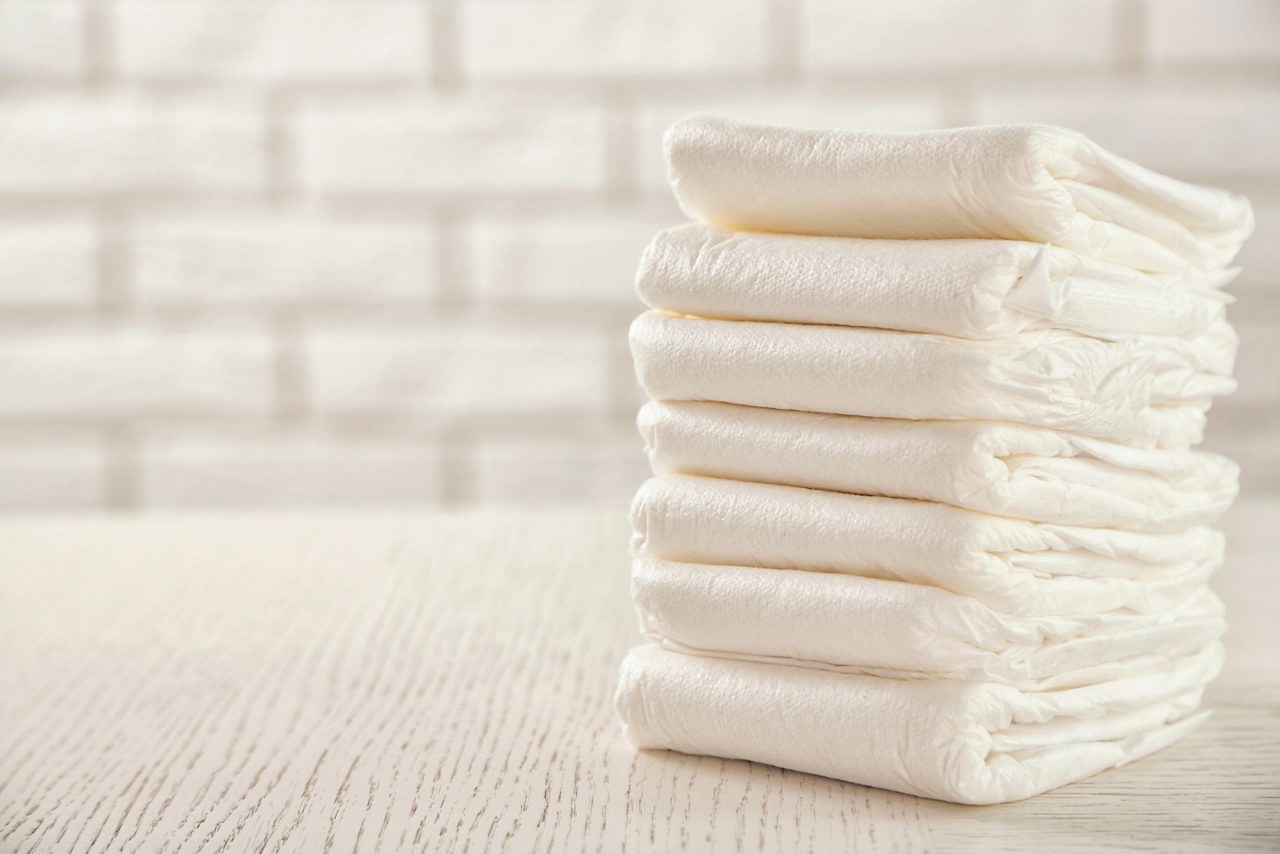
The recovery characteristics of INFUSE™ OBC make it distinctly suited for healthcare and hygiene elastic film applications, where multiple stretch and recovery cycles are typically encountered. INFUSE™ OBC offers excellent comfort stretch, body fit, breathability and discreetness to support waistbands, panels, ears, landing strips and more that address the needs of the user.
INFUSE™ OBC for healthcare and hygiene
View the INFUSE™ OBC products offered for healthcare and hygiene elastic film applications.
?qlt=82&ts=1773239295881&dpr=off "144761669 (1)")

Performance benefits
INFUSE™ OBC offers performance benefits for various consumer goods applications. Tailor the soft touch properties of applications, such as grips for toothbrushes, hairbrushes, tools and more. Achieve enhanced impact modification for applications, such as reusable storage containers, buckets and more.
INFUSE™ OBC for consumer goods
View the INFUSE™ OBC products suitable for consumer goods applications.

Exceptional architecture and properties
Durable applications that require a certain degree of flexibility can benefit from the exceptional architecture and properties that INFUSE™ OBC offers. Explore how INFUSE™ OBC can enhance various building, construction and infrastructure applications—such as carpet tiles, waterproofing membranes, artificial turf, cable systems and more.
INFUSE™ OBC for building and infrastructure
Broad range of INFUSE™ OBC products addressing industry trends in building, construction and infrastructure.

Materials for flooring and surfaces
Flexible and durable INFUSE™ OBC solutions for carpet tiles, artificial turf and more. Building better flooring surfaces to live and play.

Waterproofing membranes for roofs
Not your ordinary roof waterproofing. Address the challenges of waterproofing with INFUSE™ OBC solutions.

Questions about Dow products and capabilities? Contact a representative for answers.