
Sign in to your Account at Dow
Sign in with your account details to get access to our exclusive content.
Why Register?

Product Information
Access datasheets, exclusive content and applications

Samples
Request Samples to support formulation work
Stay Updated
Receive the latest news about products, news and more!
Agricultural Films for Sustainable Crop Production
Explore
Agricultural Films for Sustainable Crop Production
High-performance Agricultural Films for modern agriculture
Our agricultural film products have been designed in collaboration with leading academics and agricultural institutes to advance the technology and techniques used in farming.
Our innovations in polyethylene resins, for applications like bale wrap, silage bags, greenhouse films, and mulch films, help reduce the need for chemical fertilizers, pesticides, and herbicides. This leads directly to increased crop productivity through higher yields and more effective, targeted control of weeds, insects, and diseases, ensuring a more resilient food supply.
Agricultural Films
View our entire agricultural films product catalog to find the best choices for your needs.
Applications

Bale Wrap
DOWLEX™ Polyethylene Resins for bale silage wrap provide customers with excellent cling and exceptional puncture resistance to help minimize silage spoilage and help ensure low oxygen and water permeability to preserve the nutritional value of the ensiled crop.

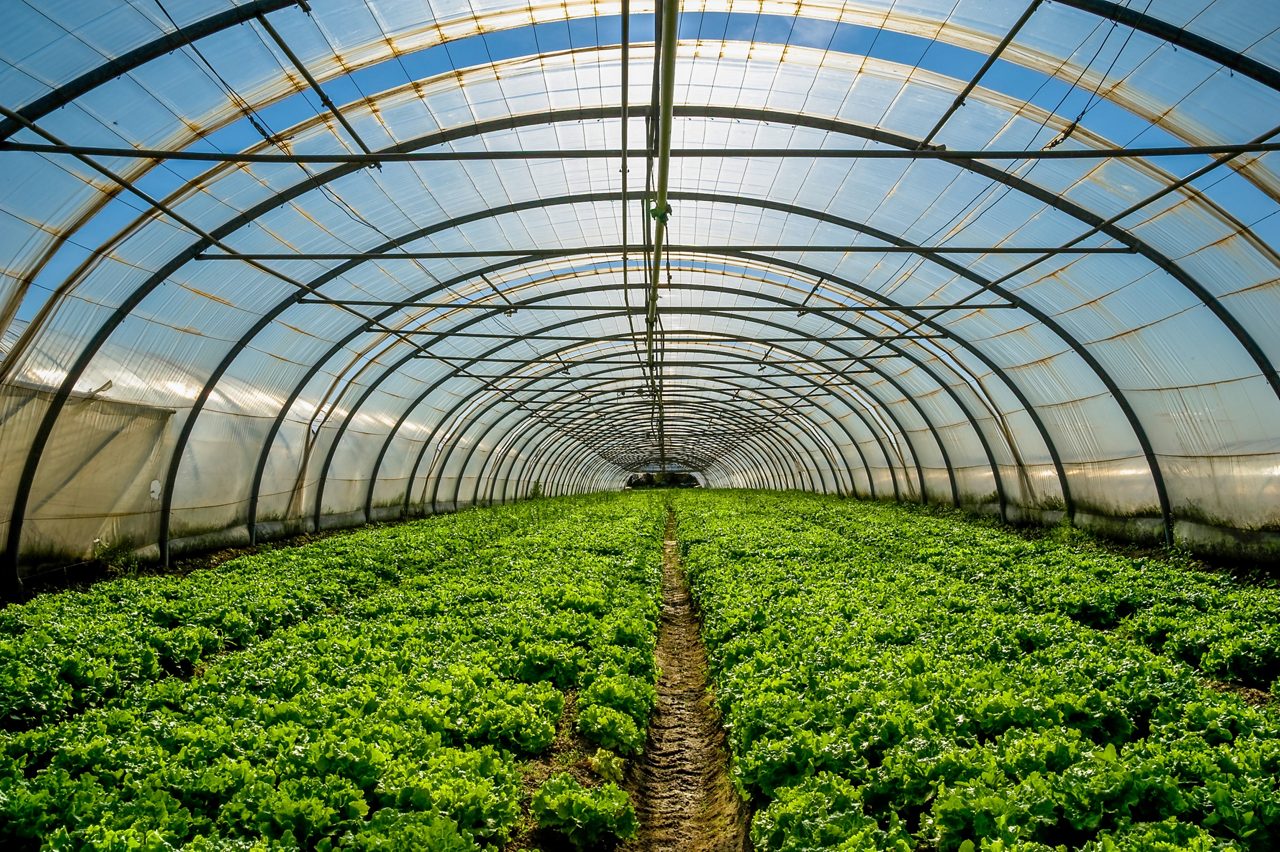
Greenhouse and Tunnel Film
Growing populations and increasing desire for year-round access to fresh produce calls for more efficient production and crop protection methods. Polyethylene is a versatile material that can be used to protect and improve crop yield. The film is durable and maintains its integrity while being resource efficient.

Silo Bags
Decades of international experience in silage bag technology has helped us create resins to enhance the capabilities of films in this challenging application.
Our resin characteristics include excellent processability, low oxygen and moisture permeability, puncture and tear resistance to name a few.
Frequently Asked Questions
Our agricultural film materials deliver improved crop productivity and quality. The key benefits of our materials science are tangible: DOWLEX™ Polyethylene Resins provide exceptional puncture and tear resistance, excellent cling for secure wrapping, and low oxygen and moisture permeability. This preserves the nutritional value of feed like silage, protects crops to increase yields, and ensures the durability needed for demanding agricultural applications.
Dow's purpose is to help build a more sustainable future. Our innovations in polyethylene resins help reduce the reliance on chemical fertilizers, pesticides, and herbicides. Our films are designed to be resource-efficient while maintaining high performance and durability. By protecting crops more effectively and preserving feed for longer, our solutions minimize spoilage and waste, directly supporting a more resourceful and sustainable food production system.
We develop and supply a broad portfolio of polyethylene resins engineered for critical agricultural film applications. Our specializations include solutions for:
- Bale Wrap: For superior protection and preservation of silage.
- Greenhouse & Tunnel Films: To improve crop yields and offer year-round protection.
- Silo Bags & Silage Clamps: To ensure optimal preservation of forage nutrition.
- Mulch Films: To help control weeds, pests, and soil moisture.
We are committed to connecting you with experts and resources to tackle any challenge.