




How can science help create a more sustainable world? It takes collaboration and innovation. At Dow, we’re working to deliver a sustainable future for the world by connecting and collaborating to find new options for materials that make life better for everyone.

Science & Sustainability

Shared value for all

The results are in on how we're advancing our ambition.
We continue to make significant progress using our expertise, products, technologies and partnerships to meet the evolving demands of customers while leading the transition to a more sustainable, inclusive future.
Our sustainability initiative
We identified three focus areas where we believe we can make the biggest difference and drive industry-wide change. These global priorities represent areas where we are using our science, size and global relationships across our value chains to seek and create shared opportunity for Dow and society.

Climate protection
How do we work with our customers, the value chain and other stakeholders to contribute to a low-carbon economy? We’re using our technology and collaborative partnerships to innovate products and solutions that contribute to a lower-carbon economy.
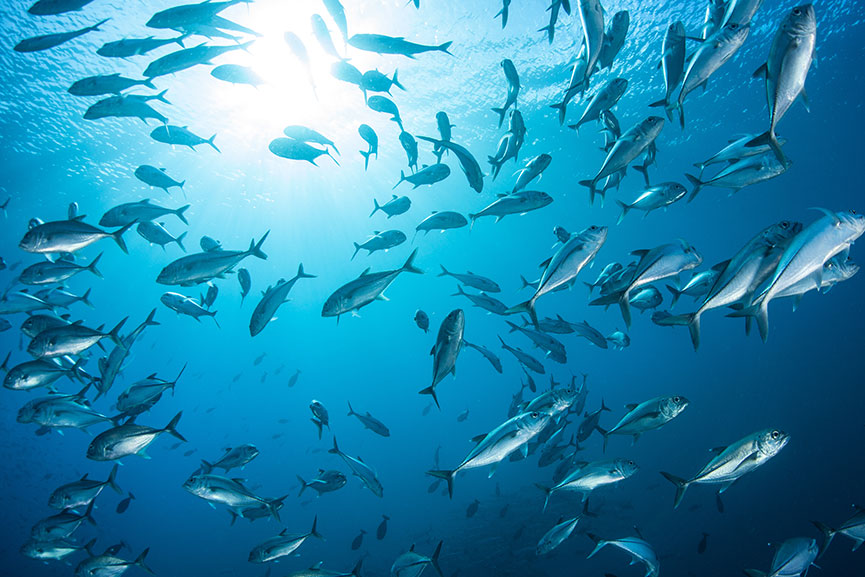
Circular economy
How do we make a world without waste possible? We are taking action to close the resource loop and stop waste across our business operations and encourage recycle and reuse globally.
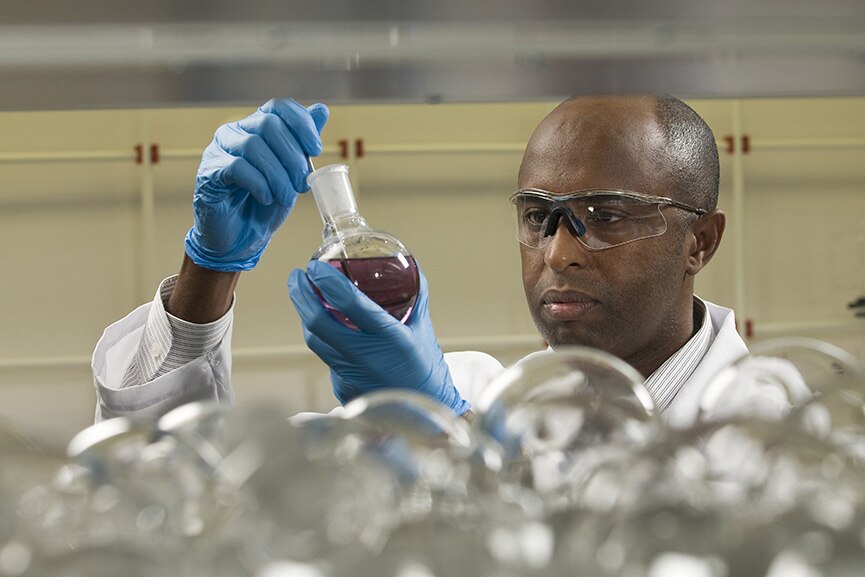
Safer materials
How do we ensure every material we bring to market is safer for people and planet? We’re using our materials science to innovate more sustainable innovations for our customers and the planet.

New targets
To accelerate our sustainability agenda, we’ve set multi-decade targets to put us on a path to achieve carbon neutrality and eliminate plastic waste.

2025 Sustainability Goals
Through our ambitious 2025 Sustainability Goals, we are seeking to help lead the transition to a more sustainable future.

Dow Sustainability reporting
Find out more about our environmental sustainability strategies and initiatives.

Plastics for a circular world
Through our three-part strategy, we are addressing plastic waste – one of the most important sustainability issues of our time.

Innovation
We draw upon our materials science expertise and collaboration with our customers, academia and other stakeholders to produce innovative solutions that help the global community.
Science & sustainability news

Dow unveils its blueprint for product safety; part of Company’s Leading the Blueprint 2025 Sustainability Goal
Feb 07 • Press Release
Read Article
Dow and Thong Guan introduces sustainable plastic stretch cling films made with renewable feedstock in Asia Pacific
Jul 27 • Press Release
Read Article
Sign up for sustainability updates
Get the latest information about our sustainability efforts.